Ranthambhore
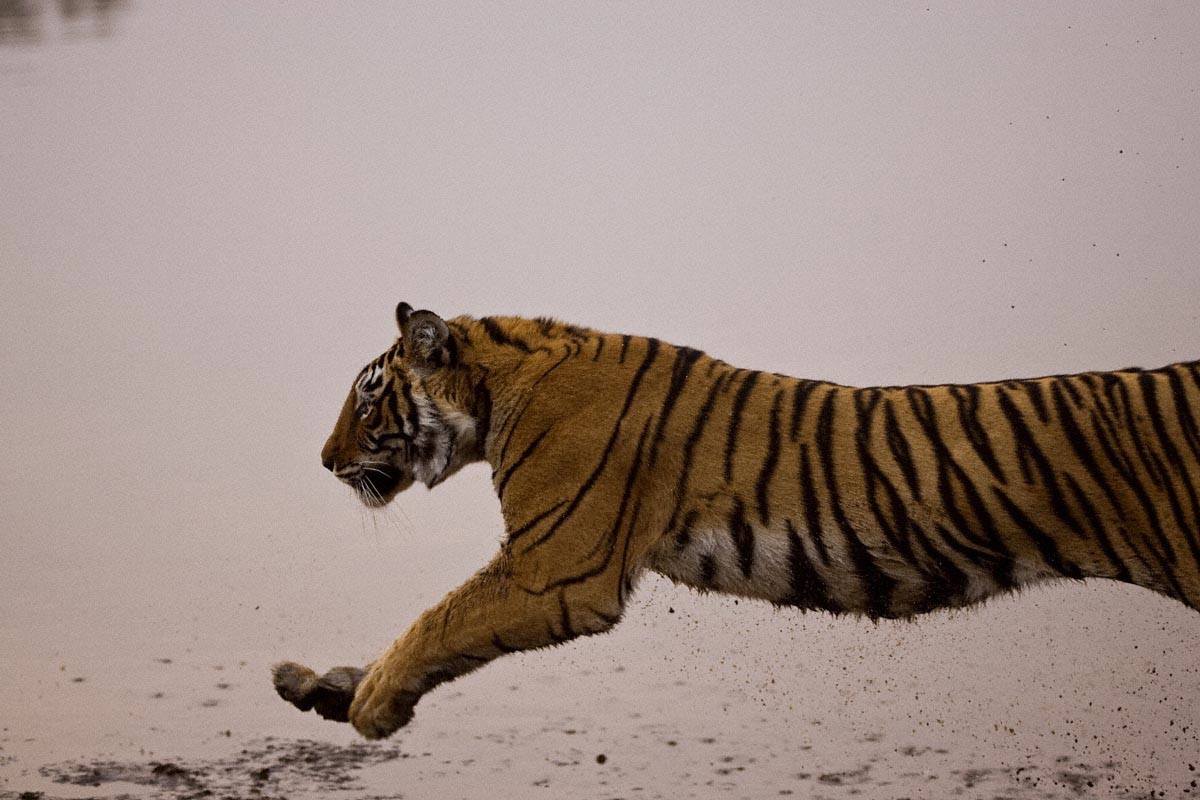
 Entering the vast bowl of Ranthambhore's National Park, it's difficult not to visualise tigers everywhere. The dense scrubby undergrowth, green for just a few weeks during the wet season, is the perfect backdrop for the creeping hunt of a tiger to take place.
Winding among the steep valley sides, home to the park's bears and leopards, the safari trail takes you between dark-and-dense dhok forest one minute, and the blazing sunlight of open plains the next. Rising into the highlands, you can see how the herb-filled plateaus, sandy plains and steep, forested hillsides come together to create an extraordinary variety of habitats.
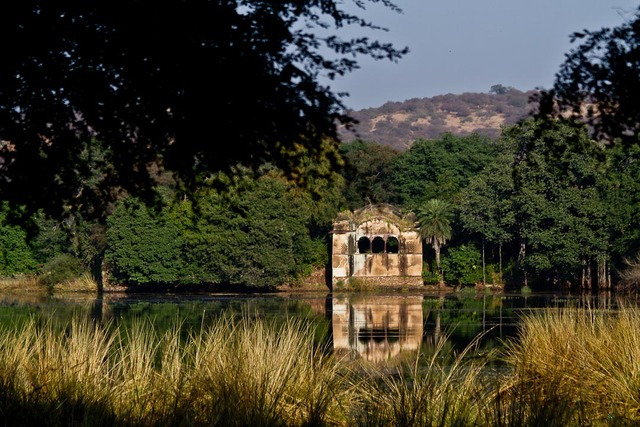
The park's epic, mirror-like lakes are bordered by acacia thickets and lush reed beds, teeming with deer and birdlife, and peppered with the drifting heads of mugger crocodiles. Among the ruins of a Maharani's private temple on the bank, it's not uncommon to see one of the park's tigers resting among decayed grandeur. Besides being one of the very best places to see wild tigers, it also marks the western boundary of their distribution on Earth — and the only place in Rajasthan to encounter them.
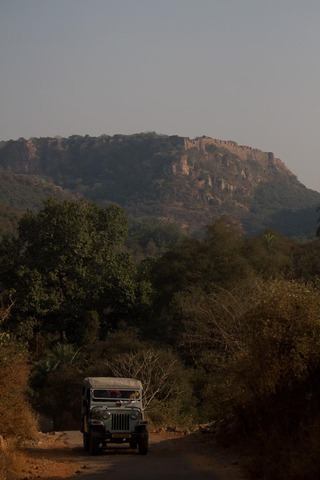
As well as its richly diverse non-human population, millions of visiting pilgrams head toward the sprawling 10th century Ranthambhore Fort each year. Perched 200m above the park, it seems in places to be magically suspended along hundreds of metres along the preciptously ragged edge. Many cross the park on foot to reach its temples, dedicated to Lords Shiva, Ghanesh and Ramlalaji. It provides ample opportunity for both spiritual and aesthetic enlightenment, and the perfect place to watch the sun go down on the truly epic landscape below.
Ranthambhore's terrain is mostly rugged and hilly, and intimately related to the Great Boundary Fault, sitting between the folded peaks of the Aravali mountains and Vindyahn hills. A mix of ridges and gentle slopes creates a undulating landscape with small plateaus and valleys between, overlooked with table-top plateus.
To the south west of Great Boundary Fault are the Vindhya hills, with their sandstone beds making up extensive tablelands known as dangs. These rise abruptly from the flat ground, creating bold, vertical cliffs. Shallow soil and a lack of moisture causes a dry and leafless environment in the summer, but the monsoons prompt a lush green revival, attracting an array of predators and prey.
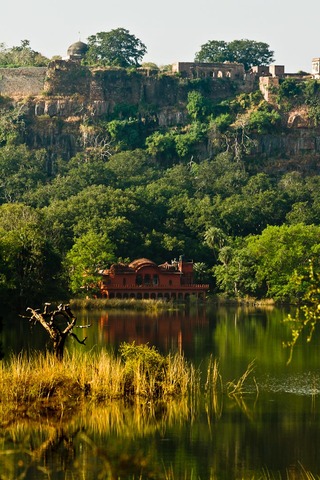
Over millenia, small seasonal streams (known as nallas) have eroded deep, long and narrow gorges among the dangs, which remain cool and retain moisture all year, providing refuge for wildlife during the heat of summer days.
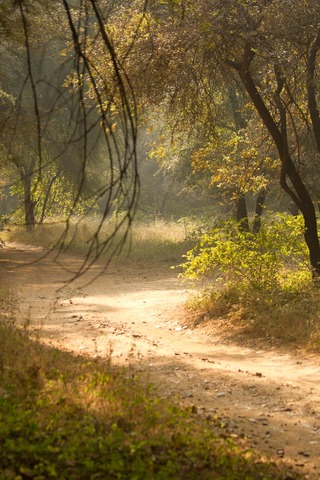
The reserve, with its sub-tropical dry climate, has three very well defined seasons – summers, winters and monsoons. October sees end of the moonsoons, with summer beginning in March.
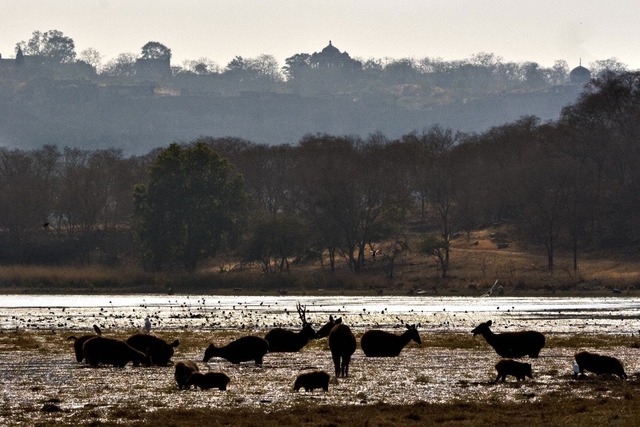
In the larger, flat-bottom valleys below, the rich soil sustains a wider variety of vegetation, leading to grasslands and wetland areas too. These are a great focus for wildlife throughout the year, which inevitably leads to a high chance of spotting a tiger making the most of the rich pickings.
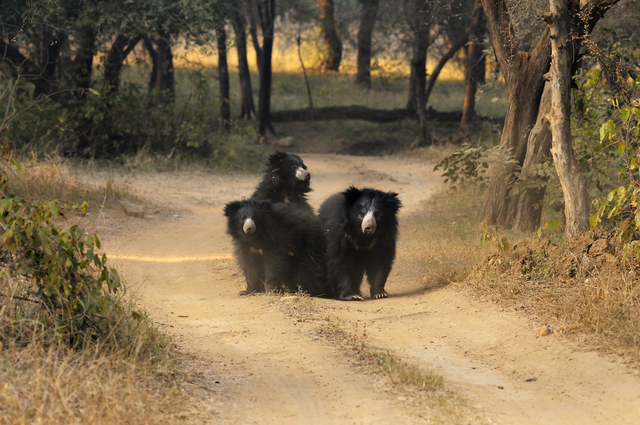 With a largely dry habitat keeping visibility high, it can be surprisingly easy to see more secretive wildlife in Ranthambhore.
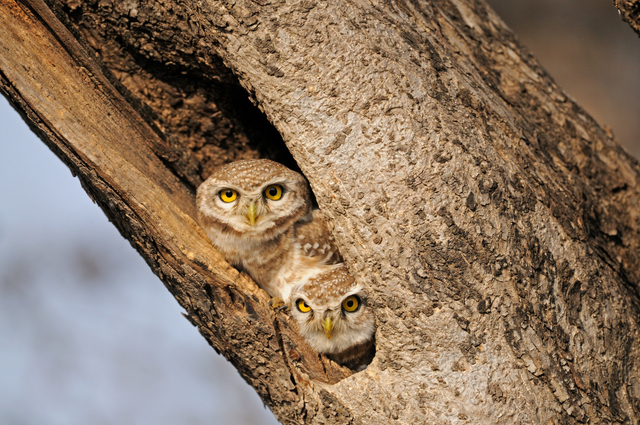
There are over 320 species of birds, more than 40 species of mammals and over 35 species of reptiles, with mugger crocodiles being the most conspicuous of the latter.
 Besides tigers, there other wild cats to discover, including leopards, caracals, jungle and rusty-spotted cats. Rare fishing cats and leopard cats have also been reported, if not verified.
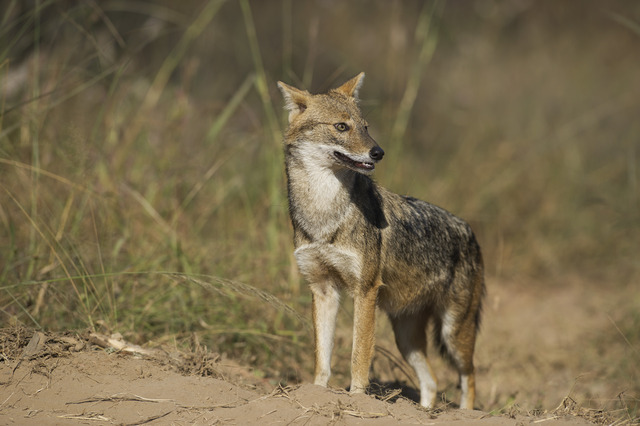
Sambhar, spotted deer (chital), blue bull (nilgai), Indian gazelle (chinkara) and wild boar are also present in good numbers, as are sloth bear, Indian fox, jackals and several species of civet and mongoose. You may also see striped hyena, and - if you're very lucky - Indian wolf and wild dog (dhole).
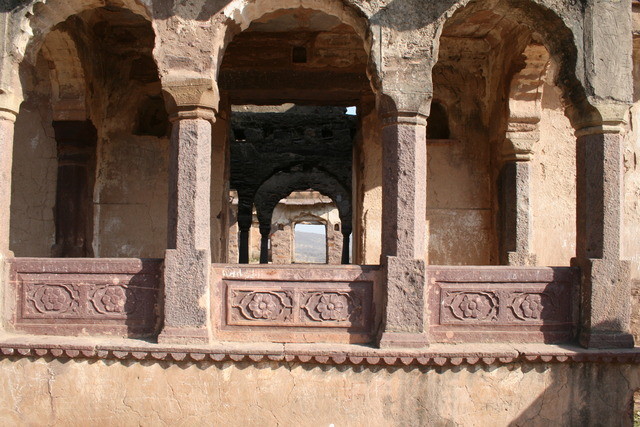
Ranthambhore's rich history spans the centuries. The reserve takes its name from the ancient hill fort, perched 700ft above the steep valleys below.
Now a Hindu pilgrimage site attracting millions of visitors a year, it's seen a long and bloody history with many of the slain warriors buried where they lay, leading to stories that the very bricks and mortar are built from the blood of the fallen.
Its early origins are unclear, but it's widely believed that the Chauhan rajput King Sapaldaksha started construction in 944 AD, on site initially settled in the 8th century.
The Chauhan reign, and the building of the fort continued for the next few centuries culminating in a golden age with its most famous ruler, Rao Hammir Deo Chauhan. The famous battis kambha chhattri (32-pillar canopy), which can still be seen today, was built to mark the 32nd year of his father's reign.
In 1301, Alauddin Khilji, the Sultan of Delhi, finally ended the reign of the Chauhans after several long sieges. T